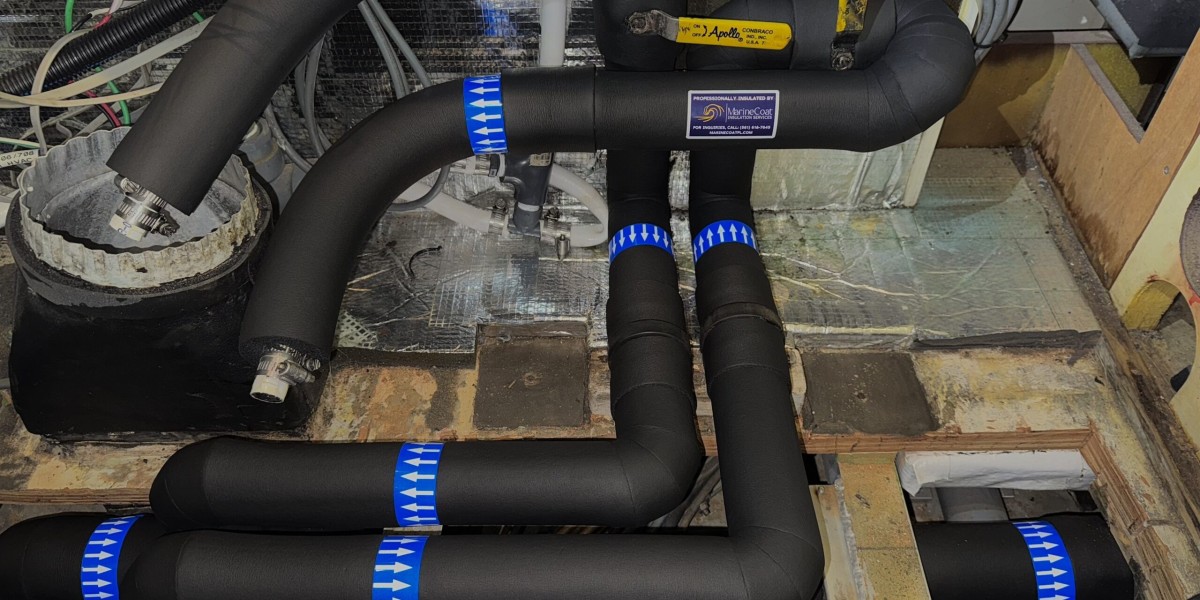

The maritime environment presents distinctive sound-control challenges that differ greatly from buildings, factories, and transportation systems on land. Continuous engine vibration, propulsion systems, hydraulic machinery, wave impact, and confined compartments generate persistent sound that can influence operational efficiency, passenger comfort, and crew well-being. This is why Marine Noise Insulation has become an essential component of modern vessel construction and retrofitting. Unlike traditional acoustic products designed for architectural applications, Marine soundproofing solutions are engineered to tolerate humidity, corrosion, vibration, and strict maritime safety regulations. Although many people use the terms interchangeably, marine noise insulation and acoustic insulation serve different objectives, and understanding those distinctions helps vessel owners choose the most effective solution.
Understanding Marine Noise Insulation
Marine Noise Insulation is a specialized engineering system developed specifically for ships, offshore platforms, ferries, luxury yachts, naval vessels, fishing boats, and commercial cargo ships. Its primary purpose is to reduce machinery-generated sound, structural vibration, and airborne noise before it spreads throughout the vessel.
Unlike ordinary insulation materials, marine-grade products are manufactured to withstand aggressive environmental conditions such as saltwater exposure, elevated temperatures, engine-room heat, moisture, and mechanical stress. Their composition frequently includes fire-resistant mineral wool, multilayer composites, vibration-damping barriers, reinforced foam panels, and protective facings that comply with international marine regulations.
Another defining characteristic of Marine soundproofing systems is their integration with the vessel's structural framework. Instead of merely covering walls, these solutions address decks, engine casings, bulkheads, ceilings, machinery enclosures, exhaust systems, and ventilation ducts, providing comprehensive sound mitigation across multiple transmission paths.
What Is Acoustic Insulation?
Acoustic insulation refers to materials and systems created to improve sound quality by controlling unwanted noise within enclosed spaces. Its objective may include reducing sound transmission, minimizing echo, absorbing reverberation, or enhancing speech clarity.
Acoustic insulation appears in residential homes, hospitals, educational facilities, cinemas, recording studios, office buildings, hotels, and manufacturing plants. Products commonly include fiberglass batts, acoustic foam, cellulose insulation, polyester panels, perforated ceiling systems, and decorative wall absorbers.
Unlike Marine Noise Insulation, standard acoustic insulation is generally not intended to endure constant vibration, seawater exposure, corrosive environments, or maritime fire certification standards. It focuses primarily on interior comfort rather than the demanding operational conditions encountered aboard vessels.
Primary Objectives of Each System
Although both solutions deal with unwanted sound, their engineering priorities differ considerably.
Marine Noise Insulation emphasizes:
- Machinery noise reduction
- Structural vibration control
- Crew comfort
- Passenger experience
- Equipment protection
- Compliance with maritime regulations
- Fire safety performance
- Durability in harsh marine environments
Acoustic insulation generally emphasizes:
- Interior sound absorption
- Echo reduction
- Speech intelligibility
- Privacy between rooms
- Indoor acoustic balance
- Architectural comfort
These differing priorities influence material selection, installation methods, and long-term performance.
Material Composition Differences
Material engineering represents one of the most noticeable distinctions between the two insulation categories.
Marine Noise Insulation Materials
Materials used in Marine Noise Insulation are selected according to marine classification standards and operational durability. Typical components include:
- Mineral wool with marine certification
- High-density mass-loaded barriers
- Aluminum foil facings
- Reinforced composite laminates
- Elastomeric vibration isolators
- Fire-retardant acoustic blankets
- Multi-layer damping sheets
These products must maintain consistent performance despite humidity fluctuations, salt contamination, temperature variation, and mechanical fatigue.
Conventional Acoustic Insulation Materials
General acoustic insulation products usually consist of:
- Fiberglass insulation
- Polyester acoustic boards
- Open-cell foam
- Cellulose insulation
- Fabric-covered absorbers
- Decorative acoustic panels
While highly effective inside buildings, many of these materials lack the environmental resistance necessary for marine installations.
Performance Under Marine Conditions
One of the greatest advantages of Marine soundproofing lies in its resilience.
Ships operate under continuous vibration generated by propulsion equipment, diesel engines, generators, compressors, pumps, and auxiliary machinery. These forces can quickly reduce the effectiveness of conventional acoustic materials.
Marine insulation systems are therefore engineered to maintain structural integrity during:
- Continuous vibration
- Constant engine operation
- Heavy mechanical loading
- High humidity
- Salt-laden air
- Thermal cycling
- Offshore weather exposure
Standard acoustic insulation rarely encounters these demanding conditions during its intended service life.
Installation Methods
Installation practices also differ substantially.
Marine Noise Insulation often requires custom fabrication because every vessel contains unique machinery layouts, pipework, cable routing, ventilation systems, and structural compartments.
Installers frequently use:
- Mechanical fastening
- Marine-certified adhesives
- Aluminum retaining pins
- Stainless-steel fixtures
- Welded insulation supports
- Removable acoustic jackets
These installation techniques ensure reliable attachment despite continuous vessel movement.
Conventional acoustic insulation typically relies on framing systems, suspended ceilings, drywall cavities, or adhesive mounting within stationary buildings.
Fire Safety Requirements
Marine safety regulations impose considerably stricter fire performance standards than most architectural applications.
Materials used for Marine Noise Insulation frequently comply with international maritime requirements established by classification societies and IMO guidelines. They are selected for:
- Low smoke emission
- Flame resistance
- Non-combustibility
- Heat resistance
- Minimal toxic gas production
These characteristics become especially important inside engine rooms, accommodation spaces, control rooms, and escape routes.
Traditional acoustic insulation products may satisfy building codes but often do not meet marine certification requirements.
Vibration Control Capabilities
An overlooked distinction involves vibration management.
Noise aboard ships frequently travels through steel structures before becoming airborne. Simply absorbing airborne sound cannot fully solve the issue.
This is where Marine soundproofing excels. Specialized damping layers and resilient mounting systems interrupt vibration transmission through:
- Bulkheads
- Deck plates
- Machinery foundations
- Engine supports
- Pipe brackets
- Equipment housings
Conventional acoustic insulation generally lacks these structural vibration-control characteristics.
Typical Applications
Where Marine Noise Insulation Is Used
Common marine installations include:
- Engine rooms
- Generator compartments
- Pump rooms
- Passenger cabins
- Navigation bridges
- Crew accommodation
- Machinery spaces
- HVAC ducting
- Exhaust systems
- Offshore platforms
Each location demands tailored insulation strategies based on noise frequency, equipment type, and operational requirements.
Where Acoustic Insulation Is Used
Standard acoustic insulation is commonly installed in:
- Residential properties
- Commercial offices
- Hotels
- Conference rooms
- Schools
- Healthcare facilities
- Auditoriums
- Music studios
- Libraries
These environments prioritize occupant comfort rather than industrial machinery isolation.
Cost Considerations
Marine-grade insulation generally involves higher initial investment because of specialized manufacturing, certification, corrosion resistance, fire testing, and durability requirements.
However, Marine Noise Insulation often provides greater long-term value by reducing maintenance needs, improving crew productivity, lowering fatigue, protecting equipment, and extending insulation service life.
Conversely, standard acoustic insulation usually offers a lower purchase price but may deteriorate rapidly when exposed to marine operating conditions.
Choosing the Right Solution
Selecting the appropriate insulation depends entirely on the operating environment.
Choose marine-specific insulation when dealing with:
- Ships
- Boats
- Ferries
- Offshore installations
- Naval vessels
- Engine compartments
- High-vibration machinery
Choose conventional acoustic insulation when working with:
- Residential buildings
- Office interiors
- Entertainment venues
- Educational facilities
- Hospitality spaces
Understanding these distinctions prevents costly installation errors while ensuring long-term acoustic performance.
Final Thoughts
Although both technologies address unwanted sound, they are designed for entirely different operational environments. Acoustic insulation focuses primarily on improving indoor sound quality, while Marine Noise Insulation delivers comprehensive protection against machinery noise, structural vibration, harsh environmental exposure, and strict maritime safety requirements. Investing in purpose-built Marine soundproofing systems ensures dependable performance, regulatory compliance, enhanced onboard comfort, and prolonged durability for every type of vessel, making it the preferred solution whenever marine operating conditions demand reliable and long-lasting noise control.