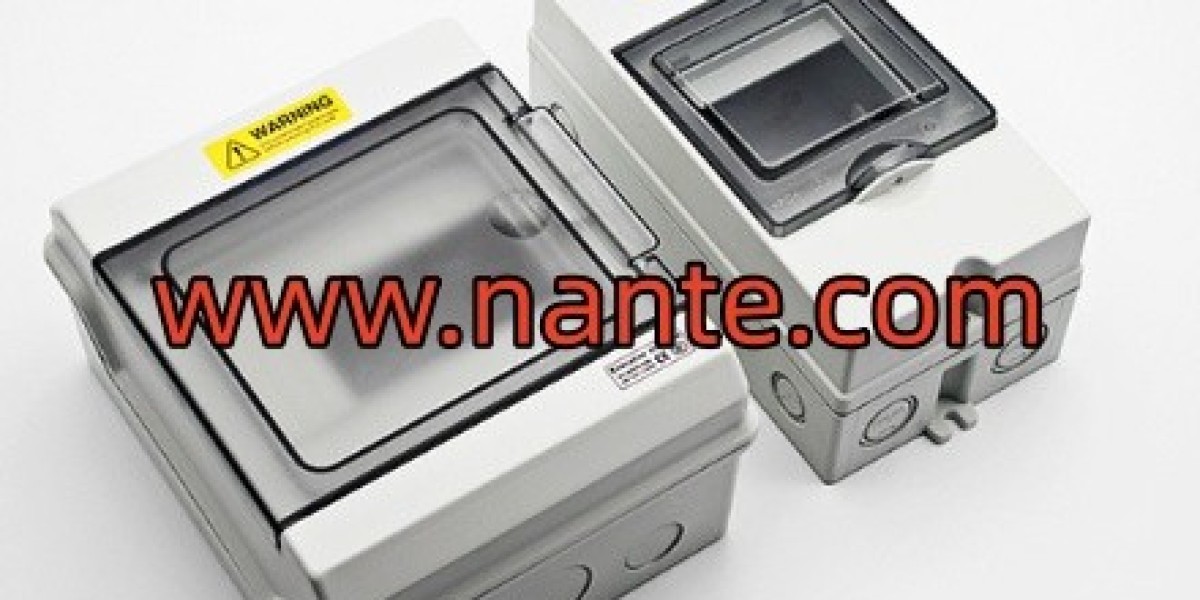

Electrical systems installed in exposed environments need enclosures selected with their surroundings in mind. Rain, airborne dust, humidity, and changing temperatures can influence the reliability and maintenance requirements of electrical equipment. A Weatherproof Distribution Box from Nante offers a practical enclosure solution for organizing electrical components where environmental exposure deserves particular attention. For contractors, facility operators, and equipment integrators, choosing an appropriate housing begins with understanding the installation conditions and the protection required by the electrical system.
Outdoor electrical installations can be found around commercial buildings, manufacturing facilities, workshops, agricultural properties, and utility locations. Although these environments differ in purpose, they share a need for carefully planned electrical connections. An appropriately specified enclosure helps shield internal components from relevant environmental influences while creating a defined space for distribution equipment. Its actual suitability depends on the enclosure design, specified protection rating, installation method, and conditions at the site.
Environmental assessment should guide the selection process. An installation beneath a covered walkway may face different exposure from equipment positioned in an open yard or near a washing area. Dust accumulation, water contact, corrosive surroundings, and direct sunlight may also affect material and design choices. Buyers should review the manufacturer's documentation to confirm that the enclosure is intended for the anticipated conditions rather than relying on the general description of weather resistance alone.
Construction materials contribute to the product's suitability. Depending on the application, an enclosure may need to withstand corrosion, impact, and repeated exposure to outdoor conditions. The housing should also provide appropriate support for its internal components and maintain compatibility with the required mounting arrangement. Door construction, sealing elements, cable entry points, and closure mechanisms deserve attention because each contributes to the overall installation design.
Inside the enclosure, a clear component arrangement can make electrical systems easier to inspect and maintain. Protective devices, terminals, switches, and wiring should be positioned according to the electrical design, with suitable space for connections and cable routing. A well-planned internal layout can help authorized technicians identify components more easily and carry out servicing in an orderly manner. Buyers should therefore consider internal capacity and configuration alongside external dimensions.
Installation planning also affects long-term usability. The selected location should allow authorized personnel to reach the enclosure without unnecessary obstruction. Cable routes should be arranged to limit strain and reduce the risk of physical damage. Mounting surfaces must be suitable for the enclosure and its operating conditions, while cable glands and seals should be compatible with the chosen entry points. Following the manufacturer's installation instructions helps maintain the intended protective performance.
Electrical safety remains essential regardless of the surrounding environment. Circuit protection, grounding, conductor selection, and component ratings must match the installation requirements and applicable regulations. An enclosure's weather-resistant construction does not remove the need for correct wiring or suitable electrical protection. Where moisture exposure, corrosive conditions, or demanding operating requirements are present, a qualified electrical professional should assess the installation and confirm the appropriate protective measures.
Maintenance planning should be part of the purchasing decision as well. Periodic inspection may involve checking seals, closures, cable entries, mounting points, and the condition of internal components. Accessible construction and clear documentation can help maintenance teams carry out these tasks more efficiently. Establishing an appropriate inspection routine also helps identify wear or environmental damage before it interferes with normal operations.
For distributors, contractors, and facility managers, selecting an electrical enclosure is a process of matching product characteristics with real operating requirements. Reviewing environmental conditions, component arrangements, installation constraints, and maintenance expectations can help narrow the available options. This considered approach supports more consistent purchasing decisions and helps project teams plan installations with greater clarity.
Outdoor electrical protection begins with asking the right questions about the site, the equipment, and the conditions the enclosure must handle. Give your next project a more informed starting point by visiting https://www.nante.com/product/ . Review the available product details, compare the features relevant to your installation, and find a direction that makes sense for the environment your electrical system will serve.