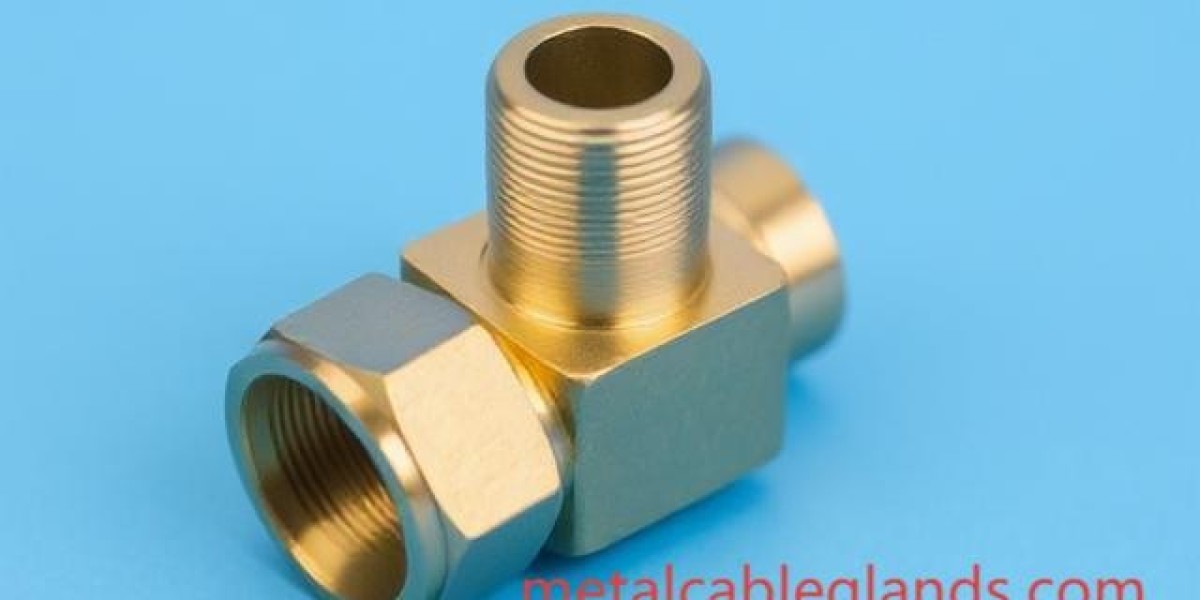

When electrical equipment uses different cable entry configurations, a Cable Gland Adaptor can help bridge connection differences without requiring extensive design changes. Selecting the right Cable Gland Adaptor allows manufacturers, installers, and distributors to manage component compatibility more efficiently across various industrial projects. From control cabinets to machinery housings, these fittings can support practical installation planning when thread types, connection dimensions, or mounting requirements vary. Understanding how adaptors work and what specifications matter can help purchasing teams make informed decisions and reduce avoidable assembly issues.
Simplifying Equipment Design and Assembly
Electrical systems often combine components from multiple manufacturers, and their connection requirements may differ. An adaptor provides an intermediate connection between compatible parts, helping installers accommodate certain variations in thread size or connection arrangement. This flexibility can be useful when updating existing equipment, assembling customized control panels, or integrating accessories into established production lines.
Before choosing a component, engineers should review the enclosure opening, cable gland thread, and required connection format. The adaptor must match the intended components rather than relying on approximate measurements. Checking technical drawings and product specifications helps prevent thread mismatches and unnecessary installation adjustments.
Adaptors can also make equipment design more adaptable. When a project involves several enclosure types, selecting suitable connecting accessories may help standardize certain assembly procedures. However, every configuration should be checked individually to ensure that the final connection meets the equipment's functional and environmental requirements.
Matching Dimensions to Application Requirements
Dimensional compatibility is essential when selecting electrical connection accessories. Thread diameter, pitch, thread form, and engagement length can all influence whether two components fit correctly. Even small differences may prevent proper assembly or compromise the stability of the connection.
Procurement teams should provide suppliers with accurate thread designations and drawings whenever possible. If the original component information is unavailable, measuring the existing parts and confirming the thread standard can help establish a reliable starting point. Sample testing may also be appropriate for specialized equipment or large production orders.
Space constraints deserve attention as well. An adaptor that fits the threads may still be unsuitable if its overall length or external dimensions interfere with adjacent components. Reviewing the enclosure layout before ordering helps ensure sufficient clearance for installation, inspection, and future maintenance.
Choosing Materials for Operating Conditions
The operating environment plays an important role in material selection. Electrical equipment installed indoors may face different demands from systems exposed to rain, humidity, cleaning agents, salt air, or industrial chemicals. Buyers should assess these conditions before deciding which adaptor material and finish are appropriate.
Metal options may be selected for their mechanical properties and suitability for particular environments. Stainless steel can be considered where corrosion resistance is important, while brass may be suitable for a range of general industrial applications. The best choice depends on the complete specification, including surrounding materials and expected exposure.
Purchasers should also consider operating temperatures, vibration, and maintenance procedures. Material compatibility matters because contact between dissimilar metals can contribute to corrosion under certain conditions. Where an installation requires specific ingress protection, certification, or other compliance criteria, the complete assembled connection must be evaluated against those requirements.
MetalCableGlands: Improving Purchasing Decisions
Reliable purchasing starts with clear communication between engineering teams, distributors, and suppliers. Instead of requesting an adaptor based only on a general product name, buyers should provide connection details, preferred materials, operating conditions, and estimated quantities. This information makes product comparisons more meaningful and helps clarify whether a proposed component suits the intended application.
When sourcing from MetalCableGlands, purchasers can organize their requirements by equipment type or project specification. This approach is especially useful for businesses managing multiple product models or maintaining replacement components for different installations. Consistent documentation also supports repeat orders and helps purchasing teams avoid confusion between similar-looking fittings.
For larger projects, confirming sample dimensions, packaging requirements, and order details before mass purchasing can reduce uncertainty. Clear specifications help all parties understand the requested configuration and provide a stronger basis for quality checks during incoming inspection.
Building a More Efficient Installation Process
A well-planned cable entry system begins with component selection, not simply the final assembly. Reviewing thread standards, dimensional limits, environmental conditions, and maintenance access early in the design process can reduce installation complications later. Adaptors should be treated as functional connection components, with their suitability confirmed as part of the complete electrical assembly.
Installers should follow the applicable product instructions and avoid forcing mismatched threads together. Correct installation helps protect component integrity and supports the intended performance of the connection. Periodic inspection may also be appropriate where equipment operates under vibration, moisture, or demanding industrial conditions.
For manufacturers and distributors seeking suitable connection accessories, clear product information makes evaluation easier. Explore available components and specifications at https://www.metalcableglands.com/ to support your next electrical equipment project.