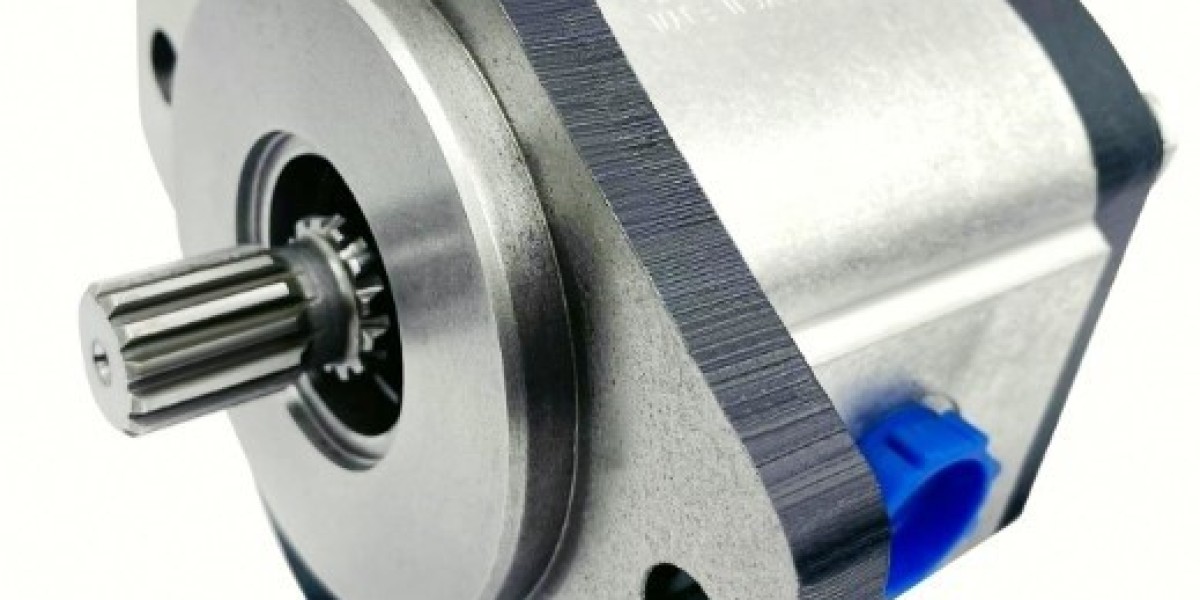

When manufacturers need dependable fluid movement, choosing suitable pumping equipment can influence productivity, maintenance planning, and system stability. A KP Gear Pump offers a practical option for applications requiring consistent fluid delivery under appropriate operating conditions. Before selecting a KP Gear Pump, equipment buyers should examine system pressure, fluid characteristics, drive compatibility, and installation limitations. These considerations help businesses identify a suitable configuration for machinery, lubrication equipment, and industrial hydraulic circuits while avoiding unnecessary operating costs and improving long-term equipment management.
Understanding Application-Specific Pump Requirements
Every hydraulic installation has its own operating demands. Some systems require continuous fluid circulation, while others need controlled delivery during particular stages of a production cycle. Understanding these differences helps engineers determine the appropriate pump capacity and operating range.
Flow requirements should be evaluated alongside working pressure and rotational speed. A pump selected without considering the complete system may experience excessive loads or fail to deliver the required volume. Engineers should also assess the duty cycle, expected operating hours, and available drive power before confirming a model.
Clear application requirements make communication between equipment buyers, designers, and suppliers more efficient. They also provide a useful foundation for comparing different pump configurations.
Evaluating Internal Components and Construction
The construction of a gear pump influences its operating characteristics, durability, and maintenance needs. Gear geometry, housing design, bearing arrangements, and sealing structures all contribute to overall performance. Manufacturing precision is particularly important because internal clearances affect leakage, friction, and volumetric efficiency.
Material selection should reflect the intended working environment. Components exposed to hydraulic fluids, changing temperatures, or demanding pressure conditions must be suitable for those conditions. Buyers should review technical documentation to understand the materials, recommended operating limits, and compatibility requirements of the selected model.
A well-designed configuration can simplify equipment integration and support predictable maintenance planning. However, actual service life also depends on installation quality, fluid cleanliness, operating conditions, and regular inspection.
Improving Hydraulic System Integration
Pump performance depends partly on how effectively the component integrates with the wider hydraulic circuit. The motor must provide suitable power and rotational speed, while connecting pipes should accommodate the required flow without creating excessive inlet resistance.
Engineers should confirm shaft dimensions, mounting arrangements, rotation direction, and connection specifications before installation. Incorrect alignment or unsuitable connections can increase vibration, contribute to leakage, and place additional stress on mechanical components.
System protection also deserves attention. Appropriate pressure-relief arrangements can help prevent excessive pressure from damaging equipment, while suitable filtration helps limit contamination. Reviewing these details before commissioning can reduce installation difficulties and support more stable operation.
Liming-Machine Pump Selection Considerations
When comparing available equipment from Liming-Machine, buyers should focus on technical suitability rather than selecting a model based on appearance or purchase price alone. Important considerations include the required displacement, operating pressure, compatible fluid, drive arrangement, and available installation space.
Suppliers should receive clear information about the intended application so they can help identify potentially suitable options. Drawings, connection details, and operating specifications are particularly useful when replacing an existing pump or integrating a component into newly designed machinery.
For export buyers, packaging, documentation, spare-part access, and communication during the ordering process may also influence procurement decisions. Confirming these details before purchasing can help reduce compatibility issues and make equipment planning more straightforward.
Maintenance Practices for Consistent Operation
Preventive maintenance helps operators identify developing problems before they affect production. Regular checks should include fluid condition, connection tightness, abnormal noise, vibration, and visible leakage. Changes in operating temperature or delivery performance may also indicate that further inspection is necessary.
Contaminated fluid can accelerate wear on gears and supporting components, making filtration and fluid replacement important parts of a maintenance program. Operators should follow the manufacturer's instructions for lubrication, inspection intervals, and component servicing. Running a pump without adequate fluid supply should be avoided because it may cause rapid damage.
Ultimately, effective pump selection combines technical evaluation with responsible operation and maintenance. Businesses seeking hydraulic components can explore available products and equipment information at https://www.liming-machine.com to compare options with their specific system requirements.