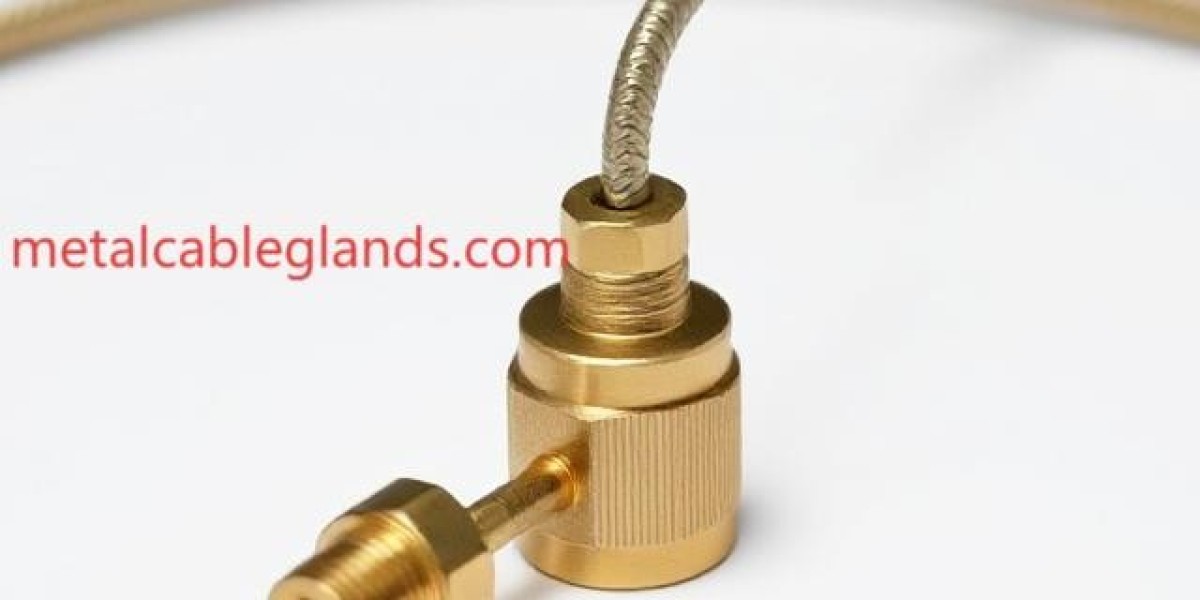

In many industrial environments, moisture control is essential for keeping electrical equipment dependable over time. A Waterproof Breathable Valve offers a practical way to balance internal pressure while helping prevent water and dust from entering a sealed enclosure. When engineers evaluate a Waterproof Breathable Valve, they often consider airflow, sealing performance, material quality, and compatibility with the equipment. Selecting a suitable component can help reduce condensation concerns, support stable operation, and simplify maintenance across different applications.
Balancing Pressure Without Compromising Protection
Sealed electrical housings can experience pressure changes when temperatures rise or fall. These changes may affect seals, covers, and other enclosure components if pressure cannot equalize effectively. A breathable membrane allows air to move through a controlled pathway while helping block external moisture and contaminants.
This balance is particularly useful for outdoor installations, where equipment faces changing weather conditions throughout the year. Rather than relying entirely on a rigid enclosure, manufacturers can incorporate pressure-management components that support more consistent internal conditions. The result is a practical approach to protecting sensitive parts without unnecessarily restricting airflow.
Supporting Long-Term Equipment Reliability
Condensation can develop when humid air becomes trapped inside an enclosure and temperatures change. Over time, accumulated moisture may contribute to corrosion, electrical faults, or premature component wear. Suitable ventilation accessories help manage these risks by allowing pressure exchange while maintaining an effective barrier against environmental exposure.
Material selection also matters. Components should withstand expected temperature ranges, installation conditions, and exposure to water or airborne particles. Buyers should review product specifications carefully instead of assuming every ventilation accessory offers the same level of protection. Matching performance requirements with actual operating conditions can improve equipment reliability and reduce avoidable replacement costs.
Choosing the Right Design for Industrial Applications
Different installations require different combinations of airflow, sealing, and mechanical strength. Outdoor control cabinets may need dependable weather resistance, while compact electrical devices may place greater emphasis on limited installation space. Equipment used in transportation, automation, lighting, and communication systems can also have specific environmental requirements.
Before purchasing, engineers should check thread dimensions, mounting arrangements, enclosure materials, and the intended protection rating. They should also consider whether the component can be installed without interfering with nearby wiring or other accessories. Clear technical information makes product comparisons easier and helps purchasing teams select parts that suit their projects rather than relying on price alone.
How MetalCableGlands Supports Smarter Component Selection
When sourcing enclosure accessories, buyers benefit from working with suppliers that understand the practical needs of electrical installations. MetalCableGlands offers products for cable entry and enclosure connection applications, giving purchasers options to consider when planning different equipment configurations.
A useful sourcing process begins with accurate drawings, operating conditions, and installation requirements. Buyers can then compare available specifications, ask questions about suitable configurations, and confirm important details before placing an order. Consistent communication between suppliers, designers, and installation teams helps avoid mismatched components and unnecessary delays. This approach is especially valuable for projects involving multiple enclosure sizes or different installation environments.
Improving Maintenance Through Thoughtful Installation
Even a well-selected component needs correct installation to perform as expected. Installers should prepare the mounting surface, verify thread compatibility, and follow the recommended tightening procedure. Excessive force or incorrect positioning may damage threads, compromise sealing, or interfere with the intended airflow path.
Regular inspection can also help identify damaged parts, contamination, or signs of wear before they affect the wider system. Maintenance teams should follow the equipment manufacturer's guidance and replace components when their condition no longer meets operating requirements. For more information about cable entry products and related industrial accessories, visit https://www.metalcableglands.com/ to explore options for your next project.