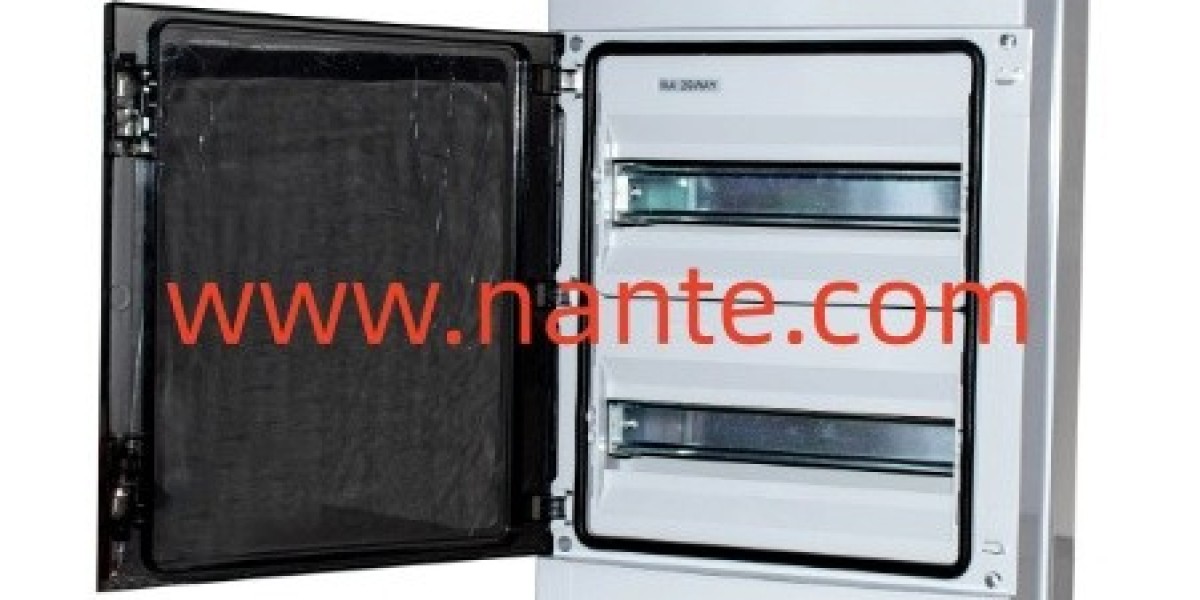

A Weatherproof db box from Nante provides a practical enclosure option for electrical distribution systems installed in outdoor or exposed locations. For commercial properties, industrial facilities, workshops, and equipment service areas, a suitable distribution housing helps keep electrical components arranged and accessible while addressing the conditions surrounding the installation. Selecting an appropriate product requires attention to enclosure construction, circuit layout, cable entry, mounting arrangements, and the protection needed for the intended environment.
Outdoor distribution equipment must be chosen according to its actual operating conditions. Rain, airborne dust, humidity, sunlight, and temperature changes may affect electrical assemblies when the enclosure is not suited to its surroundings. Buyers should examine the documented ingress protection rating and verify that the complete installation meets the environmental requirements of the site. A sealed cover alone does not establish suitability for every outdoor application, so product specifications should guide the decision.
Internal organization is another important part of distribution planning. Circuit breakers, terminal blocks, wiring accessories, and other electrical components need an arrangement that supports clear identification and convenient servicing. An enclosure should provide appropriate space for the specified components, wiring bends, and cable routing without creating unnecessary congestion. Careful planning can make installation work more manageable and help qualified technicians carry out inspections with greater clarity.
The external design also affects how the enclosure fits into a project. Wall mounting, support brackets, access clearance, and cable entry positions should be reviewed before installation begins. These details influence where the unit can be placed and how incoming and outgoing cables will reach the connected equipment. Confirming dimensions and mounting requirements early can help avoid changes to the surrounding structure during the installation process.
Material selection deserves careful consideration as well. Depending on the site, buyers may need to account for corrosion, mechanical contact, cleaning practices, or exposure to industrial surroundings. Housing materials, surface treatments, fasteners, hinges, and sealing components all contribute to the suitability of the assembled product. Rather than choosing by appearance alone, purchasing teams should compare documented specifications against the expected demands of the application.
Thermal management should be considered as part of the electrical design. Components can generate heat during operation, and internal temperatures may be influenced by the enclosure structure, installation location, and surrounding conditions. The arrangement should be suitable for the intended components and operating load. Any ventilation or heat management measures must also preserve the required environmental protection and comply with the manufacturer's guidance.
Maintenance access can influence the long-term practicality of an installation. Technicians may need to inspect connections, check protective devices, or replace components during authorized servicing. A clear internal layout and suitable access arrangements can make these tasks easier to plan. Routine inspections should include attention to the enclosure condition, cable entries, seals, fasteners, and signs of environmental deterioration.
For contractors, distributors, and facility managers, reliable technical information supports better procurement decisions. Before placing an order, buyers should confirm the intended circuit arrangement, component compatibility, enclosure dimensions, mounting method, and environmental requirements. Communicating these details with the supplier can help clarify product suitability and reduce the possibility of mismatched equipment.
Electrical safety remains essential throughout selection, installation, and maintenance. The enclosure must be integrated into a properly designed assembly with compatible components, suitable circuit protection, correct wiring, and appropriate grounding where required. Qualified personnel should complete the installation according to manufacturer instructions, applicable electrical standards, and local regulations.
A carefully planned distribution enclosure brings together protection, organized wiring, practical access, and maintenance considerations. By matching the product to the site conditions and technical requirements, businesses can create electrical installations that are easier to manage and better aligned with their operational needs.
Planning an electrical project exposed to the elements? Visit https://www.nante.com/product/ to review available electrical solutions, examine product specifications, and identify options that match your installation plans. Your next project deserves a well-considered starting point—take a closer look and turn your requirements into a practical equipment shortlist.