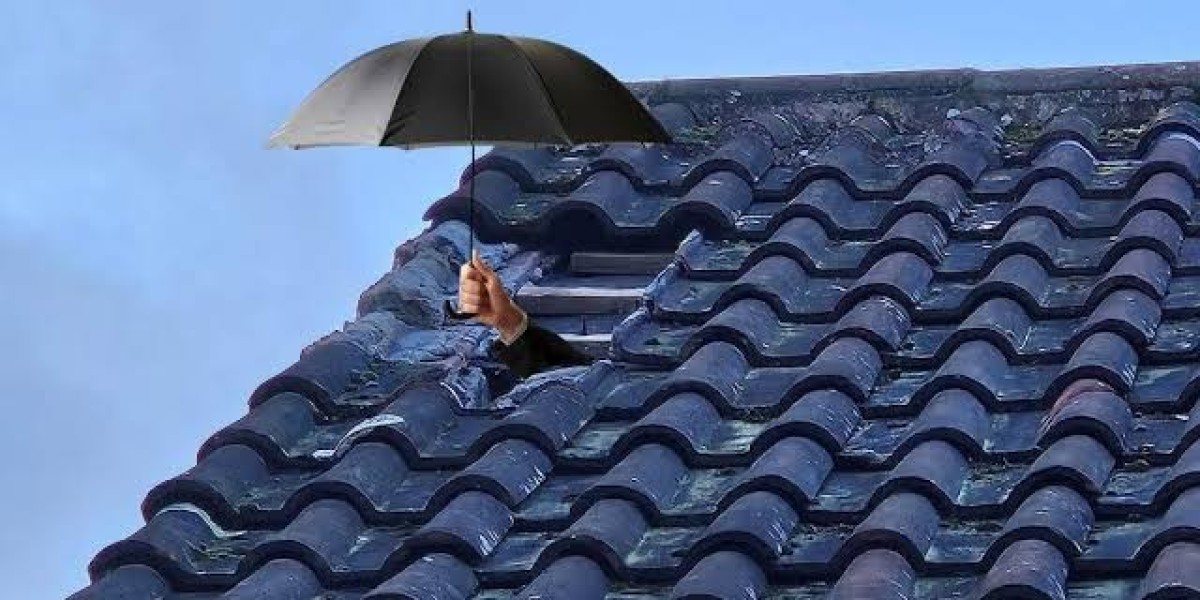

What Are Quick Temporary Fixes After Rain?
Quick Temporary Fixes After Rain can help homeowners manage sudden driveway, walkway, patio, and yard problems before permanent repairs can be completed. Heavy rain can expose existing weaknesses such as cracks, potholes, standing water, loose pavers, soil erosion, clogged drainage areas, and damaged surfaces. A temporary solution can reduce further damage and make the property safer, but it should not be considered a permanent repair. Water can continue moving beneath surfaces even when the visible problem appears minor, so homeowners should inspect the affected area carefully after the weather improves. In Long Island, changing weather and heavy rainfall can make timely action especially important. Understanding simple temporary measures can help protect your property while you arrange a proper inspection and long-term repair.
Why Should You Check Your Property After Rain?
Quick Temporary Fixes After Rain should begin with a careful inspection because rain can reveal problems that may not have been obvious during dry weather. Walk around the driveway, sidewalks, patios, foundation areas, and landscaped sections of the property and look for standing water, newly formed cracks, washed-out soil, loose materials, and areas where water is flowing incorrectly. Puddles that remain after surrounding surfaces have dried can indicate grading or drainage problems. You should also look at gutters and downspouts to see whether water is being discharged close to the foundation or driveway. Taking photographs of the affected areas can help you remember what needs attention and can also provide useful information to a contractor when permanent repairs are planned.
How Can You Temporarily Handle Standing Water?
One of the most common reasons homeowners search for Quick Temporary Fixes After Rain is standing water on driveways, patios, lawns, and walkways. If water has collected in a safe area away from electrical equipment and structures, it may be possible to move small amounts using a broom, squeegee, pump, or suitable drainage path. The goal is to prevent water from remaining against vulnerable surfaces for an extended period. However, homeowners should not create a new drainage path that sends water toward a neighbor's property, foundation, public sidewalk, or roadway. If the same area repeatedly holds water after rainfall, moving the water temporarily will not solve the underlying problem. The property should eventually be evaluated for grading, drainage, or surface repairs.
What Can You Do About a Wet Driveway?
Quick Temporary Fixes After Rain can help protect a wet driveway while you wait for the surface to dry and permanent work to be evaluated. The most important step is usually to avoid unnecessary vehicle traffic on areas that appear softened, weakened, flooded, or structurally damaged. Heavy vehicles can make existing depressions, cracks, or potholes worse. If there is loose debris or mud on the surface, it can be carefully removed when conditions are safe. Homeowners should also inspect the edges of the driveway because heavy rain can wash away soil and expose the pavement structure. If water repeatedly collects on the driveway, the long-term solution may involve correcting drainage, grading, base problems, or damaged pavement rather than simply removing the water after every storm.
How Can You Temporarily Protect Driveway Cracks?
Quick Temporary Fixes After Rain for driveway cracks should focus on preventing additional water from entering damaged areas until a proper repair can be performed. If a crack is filled with mud, leaves, or debris, it should be allowed to dry before cleaning or applying any temporary material. Trying to seal a wet crack immediately may not produce a reliable bond. Homeowners should also avoid placing unsuitable household materials into large cracks because they may fail quickly or trap moisture. Small cracks can eventually be professionally cleaned and sealed when the surface is dry and conditions are appropriate. Larger cracks, widening cracks, or cracks associated with sinking or drainage problems should be inspected professionally because the visible opening may only be a symptom of a deeper pavement problem.
What Should You Do About a Pothole After Rain?
Potholes can become more noticeable after heavy rainfall because water can enter cracks and weakened areas of pavement. Quick Temporary Fixes After Rain may involve keeping vehicles away from a dangerous pothole and clearly identifying the damaged area so pedestrians and drivers can avoid it. If a pothole is located on private property, loose debris can be removed once conditions are safe, but homeowners should avoid attempting a permanent patch while the area is saturated with water. A proper pothole repair generally requires the damaged area to be prepared correctly and the underlying cause to be considered. If water continues entering the same location, a surface patch alone may not last. Professional repair is the better long-term approach for recurring or large potholes.
How Can You Protect Soil From Rain Erosion?
Quick Temporary Fixes After Rain are also useful when heavy water flow has washed away soil around driveways, walkways, retaining walls, landscaping, or foundations. Small areas of exposed soil can sometimes be temporarily protected with suitable landscape fabric, mulch, straw, sandbags, or other erosion-control materials depending on the location and severity of the problem. The purpose is to slow additional soil movement until a permanent drainage or landscaping solution can be installed. Homeowners should pay special attention to erosion near foundations because continued water movement can expose areas that should remain protected. If rain repeatedly creates channels through the landscape, the underlying drainage pattern should be addressed rather than simply replacing the lost soil after every storm.
What Can You Do When Pavers Become Loose?
Loose or uneven pavers can appear after heavy rainfall, particularly when water has washed material from the joints or base. Quick Temporary Fixes After Rain should focus on reducing foot and vehicle traffic across the affected area until the surface can be inspected. If a paver has become completely loose, it may be possible to carefully move it to a safe location rather than leaving it where someone could trip. However, simply pushing the paver back into position may not correct the underlying problem. Water may have disturbed the bedding layer or washed away joint material. A permanent repair may require removing the affected pavers, correcting the base, restoring the bedding material, and reinstalling the units properly so they remain stable during future rainfall.
How Can You Protect a Concrete Surface After Rain?
Quick Temporary Fixes After Rain for concrete surfaces should be approached carefully because fresh or damaged concrete can be affected by moisture and continued traffic. If the concrete is newly installed, homeowners should follow the contractor's instructions rather than attempting to modify the surface themselves. For older concrete with newly exposed cracks or damaged areas, the immediate priority should be keeping unnecessary traffic away from the problem and preventing additional water from collecting there. Large cracks, significant surface deterioration, or areas that are sinking should be evaluated before applying a patch. Temporary protection can reduce additional stress, but permanent concrete repair requires appropriate surface preparation and a repair method suited to the type and cause of the damage.
What Should You Do If Rain Washes Out Gravel?
Gravel driveways and paths can lose material during heavy rainfall, especially where water flows quickly across the surface. Quick Temporary Fixes After Rain can include temporarily blocking vehicle access to severely washed-out sections and redirecting water away from the damaged area when it is safe and practical to do so. Adding a large amount of new gravel immediately may not solve the issue if the same water flow will simply wash it away again. The affected area should eventually be graded and compacted, and drainage should be improved if necessary. In some cases, edging, swales, culverts, or other drainage features may be needed to control runoff. Temporary gravel placement can provide short-term improvement, but the source of the erosion should receive attention.
Can Sandbags Help After Heavy Rain?
Sandbags can be useful for certain Quick Temporary Fixes After Rain when water needs to be redirected away from a vulnerable area. They may help create a temporary barrier around selected locations, but they should be positioned carefully and should not create a new hazard or redirect water toward another property. Sandbags are not a substitute for permanent drainage construction, grading, foundation waterproofing, or pavement repair. Homeowners should also understand that barriers can fail if water pressure becomes too strong or the bags are placed incorrectly. After the immediate threat has passed, the area should be inspected to determine why water reached the property in the first place. A long-term drainage solution can then be planned based on the actual water flow.
How Can You Protect Your Foundation Temporarily?
Quick Temporary Fixes After Rain can be especially important around a home's foundation because repeated water exposure can create moisture problems. Homeowners should first check whether gutters and downspouts are directing rainwater toward the foundation. If a downspout is discharging immediately beside the house, a temporary extension may help move water farther away, provided it is installed safely and does not create drainage problems elsewhere. Standing water should also be removed or redirected when possible. However, homeowners should not dig around the foundation or attempt major excavation immediately after heavy rain because saturated soil can be unstable. Persistent basement moisture, foundation cracks, or repeated water intrusion should be professionally evaluated so the underlying problem can be addressed rather than repeatedly managed with temporary measures.
What If Your Drainage System Is Clogged?
A clogged drainage system can cause water to collect rapidly after heavy rainfall. Quick Temporary Fixes After Rain may begin with checking visible drain openings, grates, catch basins, and gutter outlets for leaves, mud, branches, and other debris. If the blockage is accessible and safe to remove, clearing the surface debris may allow water to move again. However, homeowners should avoid entering deep drainage structures or attempting risky cleaning methods without proper equipment. A blockage deeper inside the drainage system may require professional cleaning. If the same drain repeatedly becomes overwhelmed, the issue may involve inadequate capacity, incorrect grading, sediment buildup, or a damaged drainage pipe. Temporary clearing can restore flow, but recurring problems require a more complete evaluation.
How Can You Protect a Damaged Walkway?
Quick Temporary Fixes After Rain can make damaged walkways safer until permanent repairs are completed. Standing water, mud, displaced pavers, broken concrete, and exposed edges can create slipping or tripping hazards. Homeowners should keep people away from visibly unstable sections and use a safe alternative path when possible. Loose materials should not be left where they could become additional hazards. If a concrete sidewalk has developed a significant trip edge, a temporary warning or barrier may be appropriate on private property until professional repair can be completed. The long-term solution depends on the cause of the damage. Repeated settlement may require attention to the supporting base or drainage rather than simply repairing the visible surface.
What Should You Do About Muddy Areas?
Muddy areas are another common reason homeowners need Quick Temporary Fixes After Rain. Walking or driving repeatedly through saturated soil can make the problem worse by creating ruts and compacting wet ground unevenly. When possible, traffic should be kept away from the muddy area until the soil has had an opportunity to drain and dry. Temporary boards or a safe temporary pathway may sometimes reduce foot traffic damage in suitable locations. Homeowners should avoid adding large amounts of soil while the area is still saturated because it may simply become mixed with mud. If the same location becomes muddy after every major storm, the property may have a grading, drainage, or soil condition that needs a permanent solution.
Can You Use a Tarp as a Temporary Protection?
A tarp can sometimes provide one of the simplest Quick Temporary Fixes After Rain for protecting certain exposed materials from additional rainfall, but it needs to be used carefully. A tarp may help cover loose materials, exposed soil, or selected areas where water could cause additional short-term damage. It should be secured properly so wind does not turn it into a hazard, and water should not be allowed to collect heavily on top of it. A tarp should never be used as a substitute for a professional roof, foundation, driveway, or masonry repair. The purpose is only to provide temporary protection while permanent work is arranged. Once conditions improve, the affected surface should be inspected and repaired appropriately.
Should You Drive on a Damaged Driveway After Rain?
Avoiding unnecessary traffic is one of the simplest Quick Temporary Fixes After Rain when a driveway has developed visible damage. Water can weaken already compromised areas, and heavy vehicles can increase stress on potholes, soft edges, settled sections, and cracked pavement. If a driveway has standing water, deep potholes, or visible movement, homeowners should avoid repeatedly driving through the damaged area when another route is available. Large vehicles are particularly capable of worsening weakened pavement. After the surface dries, the driveway should be inspected to determine whether the problem is superficial or related to the underlying base. If damage continues to expand, a professional paving contractor should evaluate the area before temporary measures become ineffective.
How Can You Protect Landscaping After Rain?
Heavy rainfall can damage landscaping by washing away mulch, exposing roots, moving soil, and creating channels through garden beds. Quick Temporary Fixes After Rain can include gently restoring displaced mulch where appropriate, protecting exposed soil, and reducing additional water flow toward vulnerable planting areas. However, homeowners should not bury exposed tree trunks or place large amounts of soil directly against plants without understanding the potential effects. If water repeatedly travels through the same landscape area, a drainage feature such as a swale, rain garden, channel, or other suitable solution may be needed. Temporary protection is most effective when it slows erosion while allowing water to move safely. Long-term landscape drainage should be designed around the property's natural water flow.
Can You Temporarily Cover a Small Roof Leak?
When rain exposes a roof leak, Quick Temporary Fixes After Rain can help reduce interior damage while a professional roof inspection is arranged. If a safe temporary covering is appropriate, it should be installed from a safe location without climbing onto a wet or slippery roof. Water entering the home can damage ceilings, insulation, walls, and personal belongings, so catching or containing interior water may also help limit immediate damage. Homeowners should not attempt dangerous roof repairs during or immediately after severe weather. Once conditions are safe, a qualified roofing professional should identify the source of the leak. A temporary cover may reduce water entry for a short time, but it cannot replace proper flashing, shingle, membrane, or roof structure repairs.
What Should You Do About Water Near a Garage?
Quick Temporary Fixes After Rain can help homeowners manage water that collects near garage entrances, especially when the water threatens to enter the building. A temporary barrier may help in certain situations, while clearing leaves and debris from nearby drainage points can improve water flow. Homeowners should check whether the driveway slopes toward the garage instead of away from it. If water repeatedly approaches the garage door, the long-term solution may involve regrading, installing a trench drain, improving the driveway slope, or modifying the surrounding drainage system. Simply pushing water away after every storm does not address the underlying cause. Protecting the garage floor and structure is important because repeated water intrusion can contribute to long-term moisture and deterioration problems.
When Should Temporary Repairs Be Avoided?
Not every problem is suitable for Quick Temporary Fixes After Rain. Temporary measures should not be used to ignore serious structural movement, major foundation cracks, unstable retaining walls, large sinkholes, severe electrical hazards, or areas where the ground appears unsafe. Homeowners should stay away from potentially unstable structures and seek professional assistance when there is a safety concern. Attempting to repair a major structural issue immediately after heavy rain can make the situation worse or put people at risk. Temporary protection is appropriate when it safely reduces exposure to water while a permanent solution is arranged. If the damage appears extensive or continues to worsen, professional evaluation should take priority over DIY repair attempts.
Why Should You Avoid Permanent Repairs While Surfaces Are Wet?
One of the most important lessons about Quick Temporary Fixes After Rain is knowing when not to make a permanent repair. Many repair materials require a clean, stable, and appropriately dry surface to bond or cure correctly. Applying asphalt patching materials, sealants, concrete repair products, mortar, or other materials over saturated surfaces may result in poor performance depending on the product and conditions. Water can also hide the actual extent of damage, making it difficult to determine whether the problem is only on the surface or extends into the underlying structure. Allowing the affected area to drain and dry can make inspection easier. Once conditions are suitable, a permanent repair can be selected based on the actual cause of the damage.
How Can You Prevent Future Rain Damage?
Quick Temporary Fixes After Rain are useful for immediate protection, but prevention is the better long-term strategy. Homeowners should maintain gutters and downspouts, monitor grading, keep drainage openings clear, repair driveway cracks, maintain pavers, and address erosion before it becomes extensive. Areas where water repeatedly collects should be investigated rather than ignored. Driveways, patios, walkways, foundations, and landscaped areas all depend on effective water management. In Long Island, seasonal rainfall and changing weather make regular property inspections especially valuable. A professional drainage or paving assessment can identify problems with slope, surface condition, base stability, or water flow before they become expensive repairs. Good maintenance can significantly reduce the need for emergency measures after every major storm.
What Is the Best Long-Term Solution After Rain Damage?
Quick Temporary Fixes After Rain are valuable when homeowners need immediate protection, but the best long-term solution is to identify and correct the source of the damage. Repeated puddles may indicate poor grading or drainage, while recurring driveway cracks may point to pavement movement or water infiltration. Washed-out soil may require erosion control, and loose pavers may indicate problems beneath the surface. Foundation moisture can require improved water management or professional waterproofing. The correct solution depends on the specific problem and property conditions. Homeowners should avoid repeatedly applying temporary patches without investigating why the damage keeps returning. A professional inspection can help determine whether the property needs paving repair, masonry work, drainage improvements, grading, or another permanent solution.
How Can Long Island Homeowners Handle Rain Damage?
For homeowners in West Babylon, Long Island, New York, Quick Temporary Fixes After Rain can provide valuable short-term protection after heavy storms, but temporary action should always lead toward a permanent solution when the problem is recurring. Moving standing water safely, clearing visible drainage debris, protecting exposed areas, avoiding damaged pavement, and keeping traffic away from unstable surfaces can help reduce immediate risks. However, recurring driveway damage, water near foundations, drainage failures, erosion, or damaged walkways should be professionally evaluated. Rain can reveal underlying property problems that are difficult to see during dry conditions. Promaster Maintenance Corp Paving and Masonry can help homeowners assess paving, masonry, drainage, and exterior property concerns and develop practical solutions designed to protect the property over the long term.